The Platform Effect
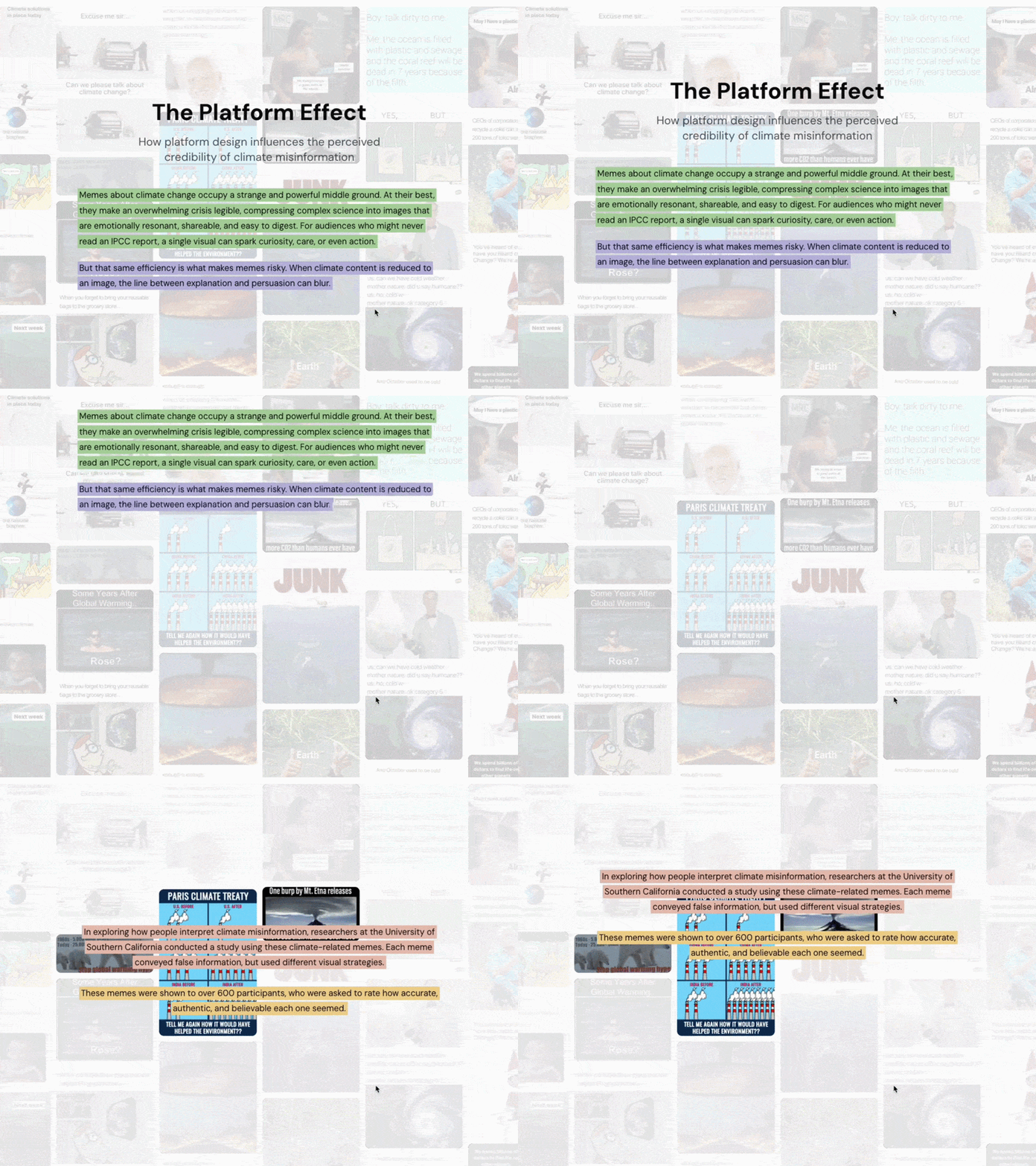
This project is a theory-informed, data-driven microsite that examines how visual design shapes perceived credibility of climate misinformation on social platforms. Using an ANN survey dataset and communication theory, I investigated whether aesthetic cues make false climate claims feel more believable.
The final outcome is a scrollytelling visual essay that blends empirical analysis with interaction design, translating academic research into an accessible, experiential format.
Approach
Analyzed an ANN survey dataset evaluating audience responses to climate misinformation memes
Applied statistical testing (independent samples t-tests) to compare perceived credibility across frequent and infrequent platform users
Grounded the research and design in communication theory, primarily the Elaboration Likelihood Model (ELM) and dual-process theory
Designed a web-based microsite that mirrors the aesthetic strategies of misinformation while deliberately interrupting passive scrolling
Used scrollytelling, interactive pauses, and gradual disclosure to move users from peripheral to central-route processing
Results
Early analysis suggests that visual aesthetics meaningfully shape how credible climate misinformation feels. One notable pattern emerged around Pinterest: frequent users consistently rated false climate memes as more accurate, authentic, and believable than infrequent users. This trend did not appear as strongly on most other platforms, pointing to the role that aesthetic cohesion and habitual visual browsing may play in shaping trust.
This project functions as a starting point for deeper investigation into how platform design, visual culture, and cognitive shortcuts intersect. The microsite is intentionally framed as a work in progress: a research prototype that surfaces early patterns, invites reflection, and opens space for further analysis, replication, and design-led interventions.
→ Role: Researcher, Designer, Data Scientist, Storyteller
→ Timeframe: Fall 2025 (October–December)
→ Team: Annenberg Networks Network (ANN) researchers